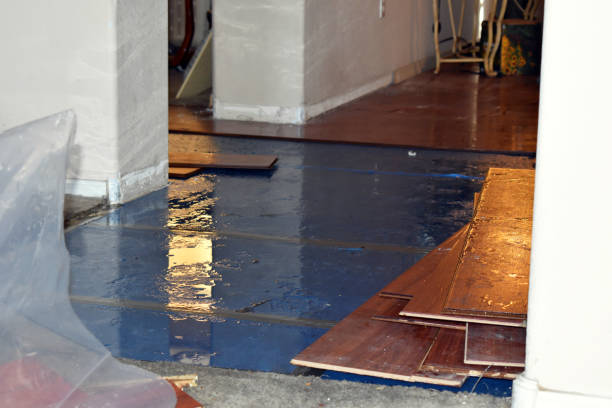
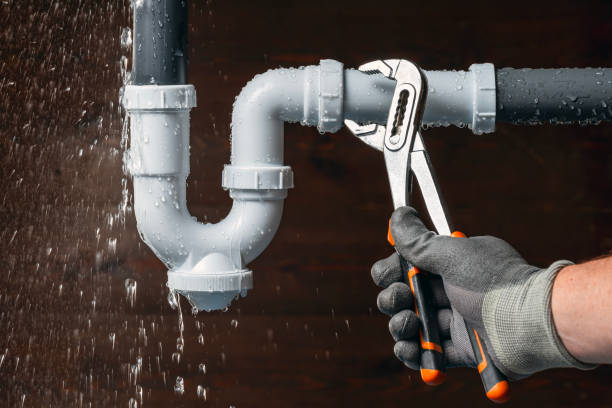
There's a specific kind of dread that comes with standing water spreading across a Rock Island living room floor. We're built to shorten that window between the panic and the fix.
Call +1-844-578-1604
Avg. arrival under 60 minutes in Rock Island
Written estimate, no hidden line items
Licensed & insured, verifiable on request

Aqua Guard Water Damage didn't parachute into Rock Island with a rented truck and a stock script. Our technicians have worked this market long enough to know which neighborhoods sit low, which ones have older cast-iron plumbing, and which zip codes call in during every heavy storm.
Local pricing means local pricing — our Rock Island estimates reflect actual regional labor and material costs, not a national average that leaves you either overpaying or underinsured.
Homeowners dealing with a flood are stressed enough without technical jargon, so we train our crews to explain the process in plain terms from the first phone call.
Water damage rarely starts as a dramatic flood — it usually starts small, and these are the signs worth acting on before the damage spreads further.
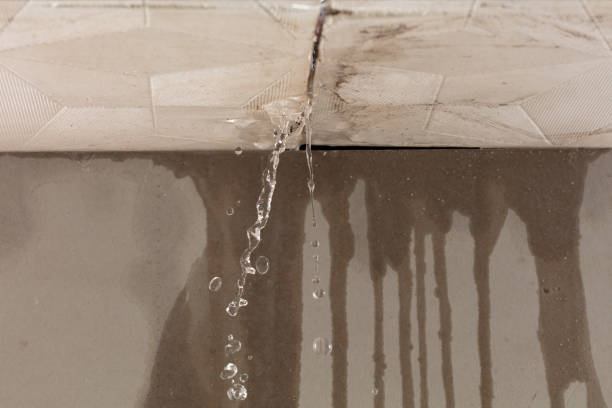
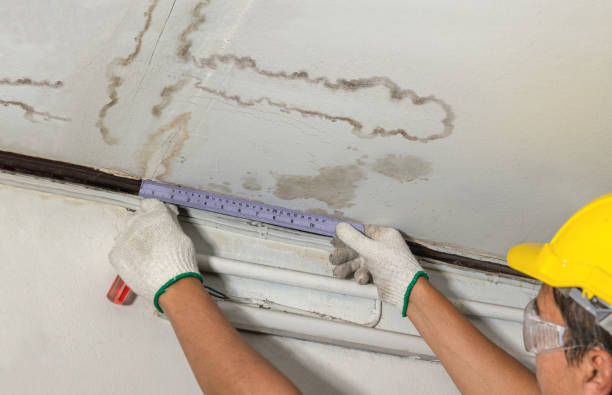
Repainting over a recurring ceiling stain treats the symptom, not the leak still feeding it from above or behind the surface. The stain returning is the actual diagnosis.
If a dehumidifier and open windows don't clear the smell within a day or two, there's an active moisture source that ventilation alone won't solve.
A hollow sound from tile that used to sound solid usually means the mortar bed lost adhesion from sustained moisture underneath.
A sudden increase in usage with no change in household habits is often the earliest sign of a slab leak, well before any visible water shows up.
Bubbling near a window frame frequently traces back to a failed seal letting water in gradually.
Mold that returns after a bleach cleaning is a sign the moisture source behind it was never actually addressed.
If more than one of these sounds familiar, it's worth a professional moisture check sooner rather than later.
Bouncing between an extraction company, a drying company, and a repair contractor is how small jobs turn into weeks-long headaches — we keep all three under one roof on purpose.
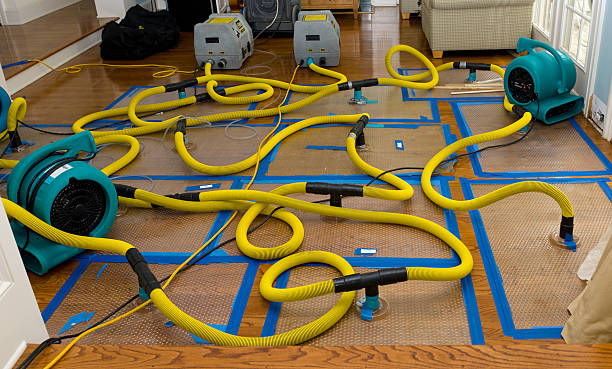
The equipment on our trucks scales up or down to the job, but the process — assess, extract, dry, verify, repair — doesn't change.
We treat extraction speed as the single biggest variable we control — every additional hour of standing water raises the odds of secondary damage.
We don't call a structure dry based on a visual check — the moisture meter has the final say before equipment comes down.
Blackwater intrusions call for full PPE, controlled removal of porous materials that can't be sanitized, and hospital-grade disinfection before any reconstruction starts.
We treat the 48-hour mold window as a deadline for our own drying timeline, not a talking point.
Once moisture readings confirm the structure is dry, the same team that documented and dried the loss hands off directly into drywall, insulation, and flooring repair.
We inventory and relocate contents that need to leave the affected area, then coordinate their return once the space is verified dry.


Four steps, no guesswork — here's exactly what happens between your call and a verified-dry structure.
Dispatch gathers just enough detail to load the right equipment before the truck leaves the lot.
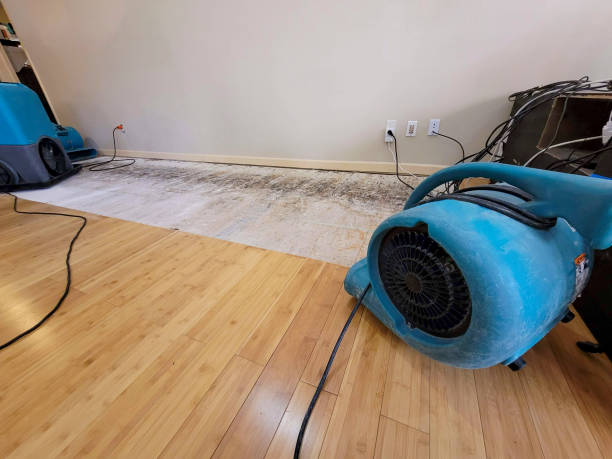
Moisture meters and thermal cameras trace exactly how far water has traveled, including inside walls and under flooring where it's invisible to the eye.
Extraction and drying run as one continuous process rather than two separate scheduled visits.
Final verification is where corners often get cut industry-wide; we treat it as mandatory.
None of these four things matter in isolation — it's the combination of licensing, speed, honest pricing, and a real guarantee that actually changes the outcome of a water emergency.
Every technician carries IICRC certification, and every crew works fully insured — documentation available whenever you want it.
A nearby crew isn't a slogan — it's the gap between drying equipment running in an hour versus half a day.
You get a written estimate before equipment turns on, not a surprise invoice after the fact.
A guarantee only counts if it's backed by a second moisture reading, not just good intentions.
If our readings don't hit a safe drying standard on schedule, equipment stays running at our cost until they do — that's the bar we hold ourselves to.
The standard doesn't change based on job size — a single bathroom flood gets the same sign-off criteria as a full commercial loss.
Call +1-844-578-1604Whether your address sits in 98850 or a neighboring zip, the same crew and the same response standard applies.
Coverage extends past the city core into the surrounding Rock Island suburbs, so an outlying address isn't treated as a second-tier call.

"What stood out was how calm the technician stayed while explaining a genuinely stressful situation — that mattered more than I expected."
Renee A., Rock Island"A storm backed water into our finished basement and the crew classified it, extracted it, and had dehumidifiers running that same afternoon. The invoice matched the quote to the dollar."
Owen D., Rock Island"Professional from the first call to the final walkthrough, and they re-tested moisture before closing the job instead of eyeballing it."
Fatima J., Rock Island"Every cost question got a straight answer, even the awkward ones, which is more than I can say for the last two contractors I dealt with."
Lucas P., Rock Island"Getting a daily drying log meant we always knew where the job stood instead of a vague verbal update."
Grace T., Rock Island"Our office flooded overnight and industrial equipment was already running before our staff arrived for the morning shift."
Nathaniel W., Rock Island"A cracked supply line under our kitchen sink went unnoticed for days, and by the time we called, the subfloor was saturated. They only replaced what actually tested wet, not the whole floor."
Bianca H., Rock Island"Storm runoff got into our crawl space and the smell alone told us something was wrong. They found a failed vapor barrier and fixed the actual cause during the same visit."
Derek S., Rock Island"Our upstairs bathroom leaked into the kitchen ceiling below and the crew traced it back to a failed wax ring on the toilet, not just patched the visible ceiling stain."
Melissa C., Rock Island"Being out of town when it happened was stressful enough — having a crew that could work directly with our property manager made it manageable."
Victor N., Rock Island